Manas National Park Safari - Explore the Wild with Smiling Tusker Eco Resort

Located in the foothills of the Eastern Himalayas in Assam, Manas National Park is one of India's most sought-after wildlife destinations. Recognised as a UNESCO World Heritage Site, the park is known for its rich biodiversity, scenic landscapes, and efforts towards wildlife conservation.
A Manas National Park Safari caters to almost everyone: a wildlife enthusiast, nature photographer, birdwatcher, or someone looking for an exciting holiday in the heart of nature. The cost of the Jeep safari for an Indian is anywhere between ₹6000 and ₹7000, and for an elephant safari is between ₹1500 and ₹2000. Later in the page, we have provided a detailed guide to prices and timings.
From exploring the forest trails through an open jeep to experiencing the traditional elephant safari, visitors can discover different aspects of this beautiful national park.
Explore Manas National Park Safari
There is no better way to explore the diverse landscapes and wildlife habitats of Manas. We offer different safaris in Manas National Park - Jeep Safari and Elephant Safari, allowing visitors to discover its natural beauty while observing wildlife in their natural surroundings. Depending on your preferences, you can choose between a jeep safari or an elephant safari. Both provide different yet amazing ways of experiencing nature in Manas.
Jeep Safari in Manas National Park
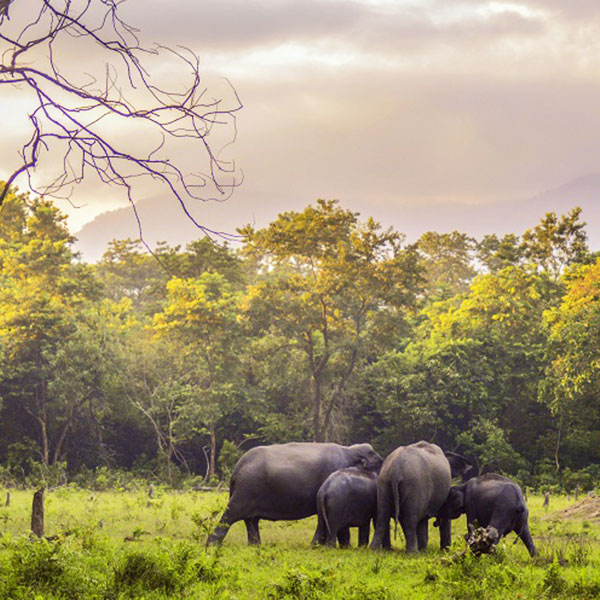
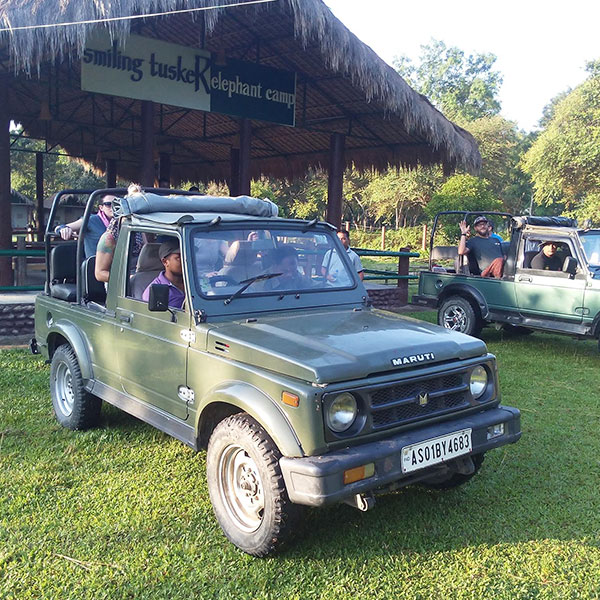
If you like covering things at speed, then this safari is ideal for you. It is a fast yet exciting way to uncover the forest trails, open grasslands, and picturesque views. Traveling in a jeep safari lets you enjoy panoramic views of the dense jungles while encountering wildlife along the route.
Jeep safaris are also suitable for visitors who want to explore vast sections of the park. With an approximate duration of three hours, the safari allows visitors to observe the natural environment of the park, photograph the forest, and spot different species of birds and animals.
Why choose a jeep safari?
- Explore designated forest routes and grassland areas
- Enjoy approximately three hours of wildlife exploration
- Experience the natural beauty of Manas from an open vehicle
- Capture photographs of the landscape and wildlife
- Learn about the park's biodiversity with the assistance of a guide.
Elephant Safari
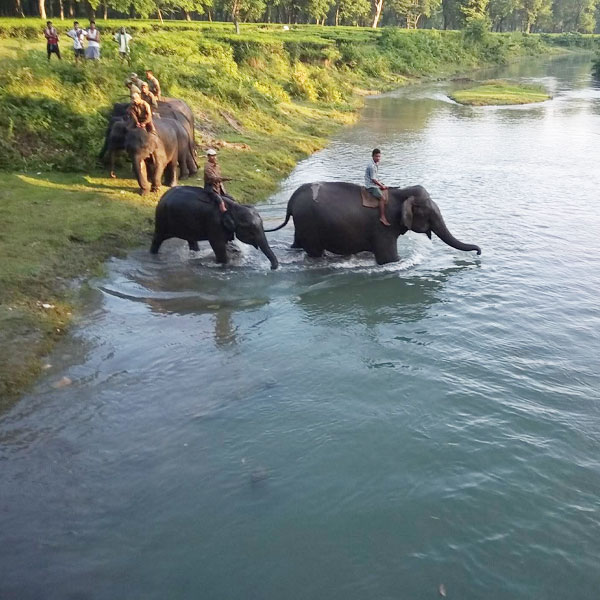
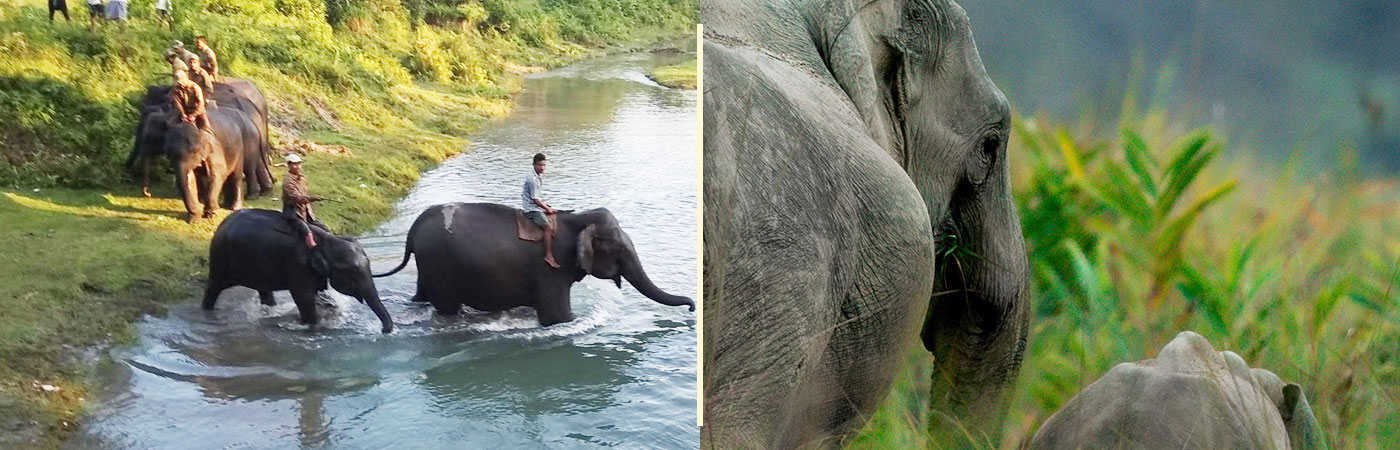
Traditionally associated with wildlife exploration, an elephant safari offers a different perspective of Manas National Park from an elephant’s back. It is generally conducted during the early hours of the day when the forest is peaceful, and the natural surroundings are refreshing.
The total time of the safari is approximately 1 hour, during which you get ample opportunities to admire the natural beauty of the park. It offers views of extensive grasslands, vegetation, and wildlife habitats.
What makes the elephant safari special?
- Experience the forest from an elevated viewpoint
- Enjoy an early morning wildlife experience
- Observe the natural landscape of the park
- Discover another traditional safari experience
- Spend time surrounded by the peaceful atmosphere of the wilderness.
Manas National Park Safari Zones
Manas National Park is divided into different ranges and safari areas, each offering a unique combination of forest patches, grasslands, and wildlife habitats. Understanding these zones can help visitors plan their safari experience more effectively. The three commonly referred-to zones for safari in Manas National Park are Bansbari, Bhuyanpara, and Panbari.
Bansbari Zone - Central Range
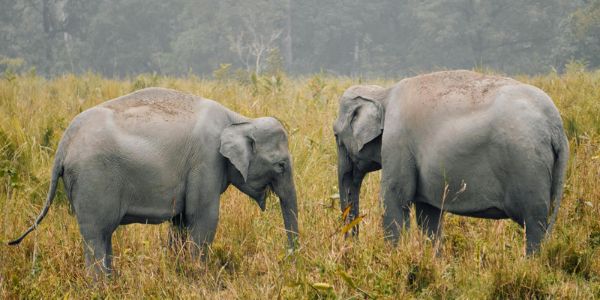
This zone is one of the most popular entry areas for visitors wanting to wander around Manas. It is located in the central part of the park, hence the name, and is known for scenic landscapes, grasslands, and proximity to the Manas River.
It serves as an important starting point for wildlife exploration and offers visitors an opportunity to experience the park’s diverse natural surroundings.
Bhuyanpara Zone - Eastern Range
It is located in the eastern part of the Manas National Park. It forms another important area for wildlife exploration. It is known for its forest cover, grasslands, and natural water bodies; this region offers a different landscape experience compared to the central range.
Panbari Zone - Western Range
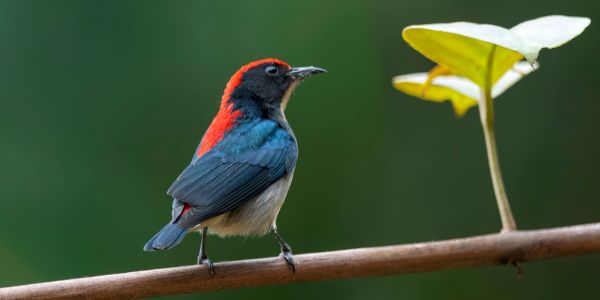
The Panbari Zone is located in the western part of Manas Park. This zone is famous for birdwatching as it records over 380 species of birds such as Great Hornbill, Green Imperial Pigeon, and Scarlet Minivet.
It is also home to rare and endangered species like Capped Langurs, Barking Deer, Malayan Giant Squirrels, etc. It is famously referred to as the “ Rainforest of Kaziranga” due to its dense vegetation and ecological diversity.
Best Time for Manas National Park Safari
The park’s weather, forest conditions, and a lot of other aspects change throughout the year. Thus, some months or seasons are more suitable for wildlife exploration. Knowing these seasons can help you plan your vacation for wildlife spotting in Manas National Park. The different times and what they offer are given below.
| Season/Months | Temperature | Wildlife and experience |
|---|---|---|
| Winter (Nov-Feb) | 10℃-20℃ | Peak season for migratory birds, clear photography, and comfortable daytime safaris. |
| spring/early summer | 20℃-37℃ | Best for big mammal sightings; animals gather near waterholes. |
| pre-monsoon/late spring | 25℃-38℃ | Spotting becomes slightly difficult |
| Monsoon (June-October) | 24℃-33℃ | The park might remain closed to tourists due to heavy rainfall and river flooding. |
Manas National Park Safari Price and Timings
Knowing Manas National Park safari timings and price can help you plan your wildlife holiday without last-minute confusion. The following prices and timings give you an overview of the safari options.
Jeep Safari
| Visitor category | Bansbari Zone | Bhuyanpara Zone |
|---|---|---|
| Indian Visitors | ₹6000-₹6500/Jeep | ₹6500-₹7000/Jeep |
| Foreign Visitors | ₹9500-₹10,000/Jeep | ₹10,500-₹11,500/Jeep |
Disclaimer: Safari prices mentioned are indicative and subject to change as per forest department regulations and updated government charges. Please confirm the latest rates and availability before booking.
Elephant Safari
| Visitor Category | Approximate Price |
|---|---|
| Indian Visitors | ₹1500-₹2000/person |
| Foreign Visitors | ₹3000-₹4000/person |
Disclaimer: Safari prices mentioned are indicative and subject to change as per forest department regulations and updated government charges. Please confirm the latest rates and availability before booking.
Safari Timings
Jeep Safari available slots
| Safari Type | Available Slots | Duration |
|---|---|---|
| Jeep Safari | 6:30-9:30 AM | 3 hours |
| Jeep Safari | 10:00 AM- 1:00 PM | 3 hours |
| Jeep Safari | 2:00 PM- 5:00 PM | 3 hours |
Elephant Safari available slots
| Safari Type | Available Slots | Duration |
|---|---|---|
| Elephant Safari | 6:00 AM- 7:00 AM | 1 hour |
| Elephant Safari | 7:00 AM - 8:00 AM | 1 hour |
Important booking information
- Jeep Safaris are on a non-sharing basis.
- A guide is mandatory for Jeep Safaris. The guide's fee is paid directly by the guests on the spot.
- The prices of the jeep safaris that are listed above include the jeep, driver, permit charges, service charges, and taxes.
- For children below four years, there are no separate charges. Children above four years are considered adults.
- Elephant safaris remain closed every Tuesday, as per the supplied information.
- The booking amount for the safaris is non-refundable.
- Prices and slots for the safari are subject to change. Visitors should confirm the latest availability and charges before booking
Wildlife You May Encounter During a Manas National Park Safari
Manas National Park is a combination of tropical forests, riverine habitats, and extensive grasslands, which provides a suitable environment for a wide variety of flora and fauna to develop. Given below is a list of some remarkable wildlife species which you may spot during your Manas National Park tour.
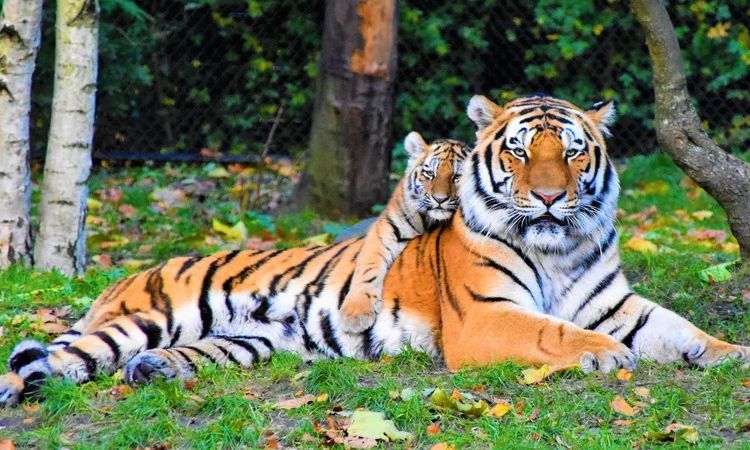
Bengal Tiger
it is one of the most iconic predators found in Manas. Although sighting a Tiger is rare, if you do, it will definitely be the high point in your vacation.
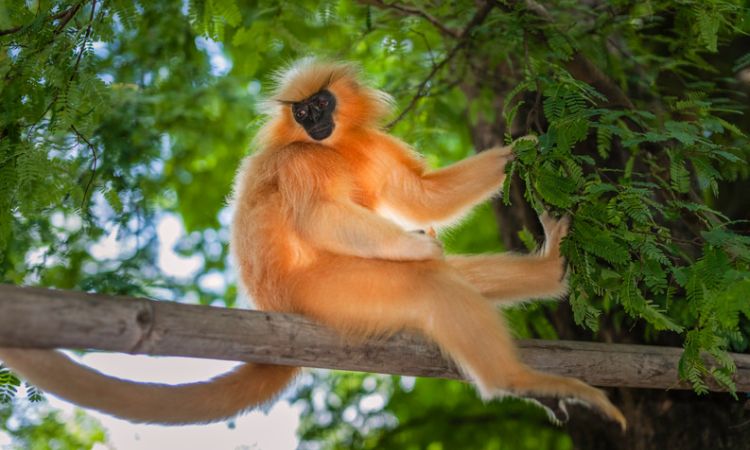
Golden Langur
it is recognised by its distinctive golden coloured coat. It is primarily arboreal, meaning it spends much of its time in the trees. So keep looking up; you might find one.
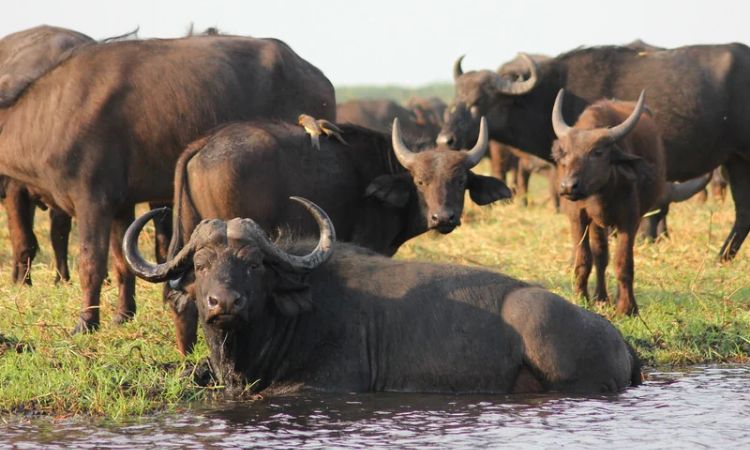
Wild water buffalo
it is distinguished by its massive crescent-shaped horns. It thrives in water, which it uses to regulate body temperature. If you get near a body of water, you may see one.
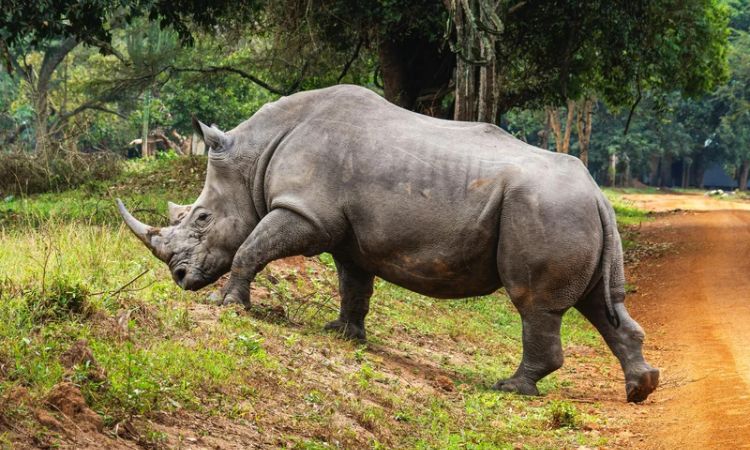
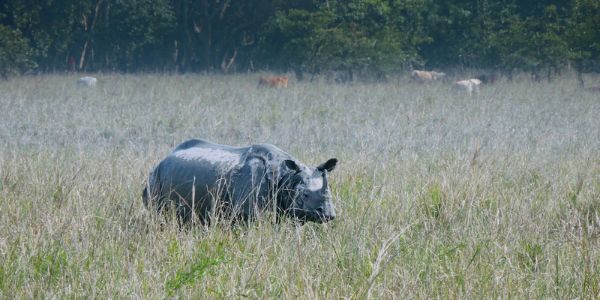
Greater one-horned rhinoceros
The jewel in the crown. This is what Assam is known for. It has armour-like skin folds. Manas is instrumental in its conservation.
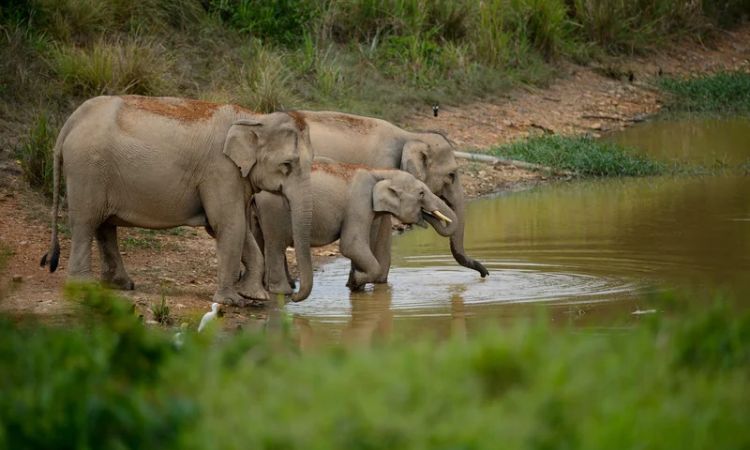
Asian Elephant
the largest land mammal in Asia. They communicate through sounds, body movements, and low-frequency calls.
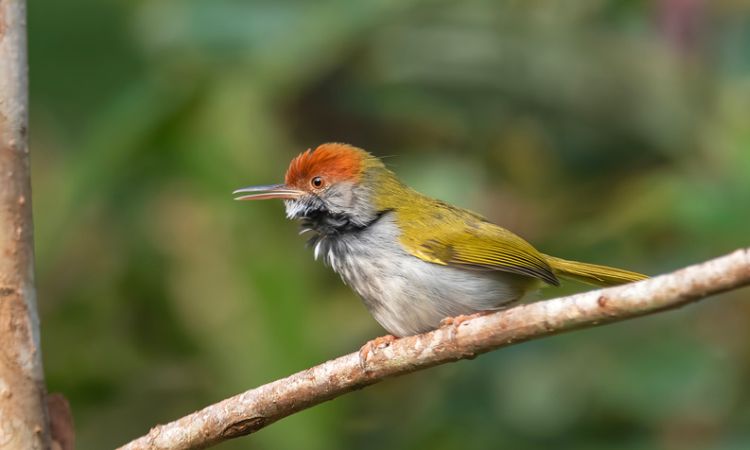
Birdlife
Manas is also home to a large number of bird species, especially in the Panbari Range.
While discovering the park, you must remember that fauna and bird sightings depend on the natural conditions. Every safari is different, and the experience is as much about enjoying the forest environment as it is about spotting the wildlife.
Why Choose Smiling Tusker Elephant Camp for Manas National Park Safari?
Make your Manas vacation more memorable with a stay at Smiling Tusker Elephant Camp, where nature, wildlife, and relaxation come together. If you are looking to explore the wilderness of Manas, our camp offers an opportunity to enjoy the region's natural surroundings while planning exciting safaris and rafting activities. Here are some other reasons why you must choose us for a Manas National Park tour -
- Accommodation options - our camp has a variety of options for accommodations. These include Luxury Machan tents, Cottage tents that are non-AC, and Outdoor tents.
- Hassle-free dining - we have an in-house restaurant. Thus, you wouldn’t have to worry about your meals.
- Activity booking - we offer activities like Jeep Safari, Elephant Safari, River Rafting, Bird Watching, and more. You can book these activities with us.
- Camp Elephants - we also have elephants within our camp area. You can interact with them and get your Instagram photos.